A garage door stuck halfway open, jerking as it rises, or refusing to respond to the remote creates more than an annoyance. It interrupts daily routines, compromises security, and can cost you hundreds if the wrong fix is attempted. I have spent years repairing and installing garage doors across Dallas neighborhoods, from older bungalows near Deep Ellum to newly built homes in Frisco. Over that time I learned what fails most often, what homeowners can safely try themselves, and when calling a professional garage door repair company is the only sensible option.
This article walks through realistic troubleshooting for the opening mechanism. You will get practical tests, clear trade-offs, and examples from real service calls. If you own a property in Dallas and have ever searched for "Garage door repair Dallas TX" or "Premium Garage Door Repair," this is the hands-on guidance that separates guessing from getting it fixed right.
Why the opening mechanism matters now
A door that won't open is not just inconvenient, it is a liability. When the opener fails the door can become a rack for wind, a tempting point of entry for thieves, or a hazard if springs give under load. In Dallas, temperature swings and frequent storms mean parts wear faster than in milder climates. Metal contracts on cool mornings and expands on hot afternoons, sensors get dusty from yard work, and storms kick up debris that wedges into tracks. Small issues grow quickly if left unattended. Early intervention often saves time and prevents escalation to full replacement.
Common symptoms and what they typically mean
When a customer calls describing a problem, the words they use hint at specific parts. A door that hums but does not move usually flags the motor or gear assembly. A door that opens unevenly typically points to torsion springs, cable issues, or track alignment. If the opener reverses when it hits the floor, chances are the force settings or safety sensors are out of adjustment. Here are the symptoms I see most often and the usual underlying causes, described in everyday terms.
If the opener runs but the door does nothing, the problem is often the emergency release disconnected, stripped gear inside the opener, or broken trolley. On several service calls I found owners had disengaged the trolley during a power outage to move the car and neglected to reattach it correctly. Sometimes the gear inside the opener has worn teeth from 15 to 20 years of use and simply spins without engaging the carriage.
If the door moves but stops or reverses, inspect the safety photoelectric sensors first. Dirt or misalignment causes false readings. In one case a family in Oak Cliff had a sensor misaligned by a stray weed blown against it; the opener reversed whenever a gust blew the weed into the beam. Other times the problem is the close force setting. Older openers develop drift in their control boards, and the travel or force needs recalibration.
If the door opens unevenly, the most frequent culprits are broken springs or uneven tension across torsion springs. A single failed spring on a double-spring system can make one side lag. Cables frayed at the drum cause asymmetric tension, and track obstructions or bent rollers compound the issue.
If the remote or wall control does nothing while the opener hums when powered manually, the logic board, antenna, or radio receiver may be at fault. Dallas neighborhoods with a lot of wireless traffic can sometimes cause transient interference, but more often the opener's antenna is tucked inside the unit or severed.
A practical troubleshooting sequence you can safely do
Start with these checks in this order. They are chosen to minimize risk and maximize diagnostic value. If at any point a spring looks loose or broken, stop and call a pro. Torsion springs contain stored energy that can maim or kill if handled without tools and training.
Verify power and controls Inspect safety sensors Test manual release and carriage engagement Check springs and cables from a safe distance Observe travel and listen for unusual noisesBelow each item I describe what to look for and what actions are safe to perform.
Verify power and controls Begin with the simple things you can resolve quickly. Make sure the opener is plugged in and that the breaker did not trip. Try the wall switch and then the remote. Replace remote batteries before anything else; a remote that looks fine can have low voltage and intermittent range. If the opener motor hums when you press the wall switch, but the door does nothing, unplug the unit and inspect the carriage and trolley connection. A humming motor suggests power is reaching the motor but the drive sprocket or gearbox may be stripped.
Inspect safety sensors The photoelectric eyes are a common cause of false reversals. Stand at waist height and look across the sensors near the base of the door tracks on each side. Clean any spider webs, dust, or mud with a soft cloth. Sensors should face each other and the LED on each eye should show a steady light when aligned. If one blinks or is off, gently adjust the housing until the LED stays solid. If the LED stays solid but the door still reverses, check for loose wiring at the sensor terminals inside the housing, but avoid pulling on wires roughly.
Test manual release and carriage engagement Most openers have a red cord with a handle to disengage the trolley. Pull the cord while the door is fully closed, and lift the door manually to see if it moves smoothly. If the door lifts easily and balances in the halfway position, springs are likely intact. If a door is extremely heavy or drops when released, do not proceed; that indicates spring failure and you should call a garage door repair company immediately. After manual testing, re-engage the trolley by pulling the cord toward the door to reconnect, then operate the opener. If the opener still runs and the carriage does not move the trolley, the trolley or drive gear may be stripped.
Check springs and cables from a safe distance Do not attempt to unwind torsion springs unless you are trained. Instead, visually check springs and cables for obvious breaks or gaps. Broken torsion springs will show a clear separation; extension springs will often hang limp or reveal broken coils. If you detect a broken spring, stop and schedule a professional repair. On several emergency calls in North Dallas I saw homeowners try to prop the door with makeshift supports after a spring broke and the door collapsed, damaging vehicles. That is a costly mistake.
Observe travel and listen for unusual noises Run the opener and watch the door. Note where in the cycle problems occur. Is the door stalling at the same point each time? Does it stick at the midpoint? Is there a squealing noise at the beginning that transitions to grinding? Squeal and squeak often indicate rollers or hinges needing lubrication or replacement. Grinding usually means worn gears in the opener or broken teeth. Repeated hitting of the torsion drum can indicate cable slip or winding cone problems.
When to stop and call a professional
There are three thresholds where you should stop troubleshooting and call a trained technician: anything involving tensioned springs, any time the door is dangerously out of balance, or when the opener's internal gears and motor exhibit internal failure. Repairing or replacing torsion springs requires specialized tools, such as winding bars and a secure ladder setup. On jobs across Dallas I have seen DIY attempts go wrong when homeowners used screwdrivers as winding bars or improvised clamps; that approach is likely to cause injury.
If the door snaps or the cables fray during your inspection, unplug the opener, clear the area, and call a licensed garage door repair company. Similarly, if the door falls or hangs unevenly and you cannot lift it manually to the halfway position, do not try to open it further.
How weather and installation age change the diagnosis
Dallas heat and humidity affect garage door components. Plastic parts such as rollers and sensor housings deform over repeated cycles in high heat. Expansion and contraction add wear to track fasteners and hinges. Older installations may lack modern safety features like rolling code remotes and auto-reverse force settings, which increases the likelihood of premature control board or motor issues.
For example, a customer in Garland had an opener from the late 1990s that would Click for more intermittently ignore the remote. My inspection revealed a failing capacitor in the motor assembly. The capacitor had become brittle from decades of temperature cycling. Replacing it restored reliable operation for a fraction of the cost of a full opener replacement.
Trade-offs: repair versus replace
Choosing repair or replacement requires weighing several factors: age of opener and door, frequency of use, cost of parts versus sticker price of a new unit, and future reliability needs. Openers tend to last 10 to 15 years with regular maintenance. If your opener is older than that and you are already seeing failed gears, noise, or intermittent electronics problems, replacement is often the better long-term investment. Newer models offer quieter belt drives, improved safety features, and smoother acceleration that reduces wear on springs and panels.
If springs break on a door older than 20 years with warped panels and corroded hardware, replacement of the entire door can be more economical than patching multiple components. Conversely, a single failed part on a relatively new system is usually worth repairing.
Choosing the right garage door repair company in Dallas
Selecting a reliable service provider matters more than saving a few dollars. Cheap repairs from unlicensed contractors can lead to recurring calls and safety issues. I recommend evaluating companies on three practical criteria: licensing and insurance, documented experience with your door type, and transparent pricing with itemized estimates. Look for technicians who bring the right tools, replacement parts, and a clear warranty for both labor and parts.
When you call, ask whether they will inspect torsion springs if present, whether they perform balance tests after spring work, and what warranty applies to parts like openers, springs, and cables. A trustworthy company will explain why a component failed and offer options rather than a one-size-fits-all sales pitch.
Here are five things to ask or look for when evaluating quotes
Are the technicians licensed, insured, and experienced with both torsion and extension spring systems? Does the estimate include labor, parts, trip charge, and a clear warranty period for both parts and labor? Will the company perform a balance test and safety reversal test after completing repairs? Does the provider use brand-name replacement parts or OEM openers, and can they show documentation of training? What is the response time for emergency calls and is after-hours service available at a reasonable rate?Safety features you should not ignore
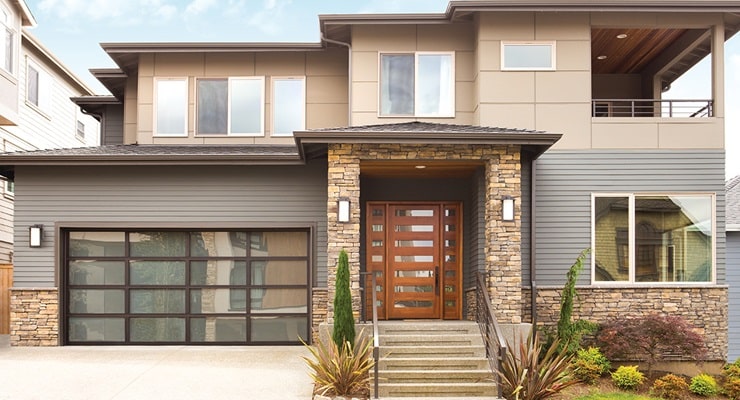
Modern garage doors include several safety components worth prioritizing. Photoelectric sensors stop and reverse a closing door when an object interrupts the beam. Force and travel settings prevent crushing injuries by sensing resistance; however, they must be adjusted correctly. A door that requires too much force to close is a hazard, and one set with too little force will reverse unnecessarily. Rolling code remotes change frequencies to prevent code grabbing and are a reasonable upgrade on older systems, particularly if you live near busy streets where signal interference is common.
If you have children, reinforcing the door with tamper-resistant brackets and moving the remote out of reach is essential. Many families I’ve worked with choose battery backup openers in Dallas because summer storms knock out power with some regularity, and losing access can be an urgent problem if cars are inside the garage.
Cost expectations and service times
Simple sensor cleaning or remote battery replacement can be handled in 15 to 30 minutes and often costs under $100. Balanced spring replacement on a single-spring system typically runs in the mid to high hundreds depending on spring type and if drums and cables need replacement. Torsion spring assemblies on heavier doors or commercial doors cost more because they require additional labor and parts. Full opener replacement tends to range from $400 to over $1,000 depending on drive type and features like belt drives, Wi-Fi, and battery backup.
Emergency service in Dallas after storms can add to wait times. During one storm season I worked 12-hour days for a week responding to calls; most companies face surges and set priorities for residential emergency repairs. If you care about response time, ask a company about guaranteed arrival windows and whether they keep popular parts on trucks.
Maintenance that extends life and reduces calls
Preventative maintenance pays off. A quarterly inspection that includes lubricating rollers and hinges with manufacturer-recommended lubricant, tightening loose fasteners, testing balance, and cleaning sensors can add years to a system. Replace nylon rollers every seven to 10 years in heavy-use situations; steel rollers last longer but add noise. Keep tracks clean and free of small stones or garden debris. Replace cables at the first sign of fraying. I tell homeowners that replacing a worn cable promptly is cheap insurance compared with the damage a snapped cable can cause to panels and vehicles.
A maintenance contract with a reputable garage door services company can be worth it if you rely on your garage daily. Contracts often include priority scheduling, discounted rates on parts, and biannual inspections. For rental properties or multi-door properties, such contracts can reduce downtime and provide budget predictability.
When to consider upgrading rather than repairing
Upgrading makes sense when you want better security, quieter operation, or lower long-term maintenance. Installing a new opener with smart-home integration provides conveniences like remote monitoring and alerts when the door opens or fails to close. If curb appeal is important, replacing worn or dented panels with insulated sections improves energy efficiency and home value. For detached garages with apartments or workshops, consider insulated doors and stronger openers capable of more cycles if you expect heavy use.
Choosing a premium provider
If you want the highest confidence in a repair or installation, a Premium Garage Door Repair service will offer trained technicians, OEM parts, and warranties that matter. A premium provider will also perform a full safety inspection and explain Garage door repair Dallas TX why they recommend repair or replacement, providing cost comparisons and expected lifespans for parts. In my experience, the slight premium for professional diagnosis, balanced spring work, and a solid warranty pays off quickly in fewer callbacks and longer component life.
Closing practical notes (not a summary)
If you have a door that hums without movement, unplug the opener and test the manual release to determine whether the carriage is engaged. If a sensor LED is off or blinking, clean and realign the sensor housings. Never attempt to wind torsion springs without proper tools and training; that is the single fastest route to needing emergency care. Keep a trusted contact for garage door repair Dallas TX services in your phone and schedule maintenance quarterly or biannually to reduce emergency calls. For serious failures, choose a licensed, insured company that documents work and stands behind it.
If you would like, provide the door model or a short video of the problem and I can point to likely causes and whether the issue looks like a homeowner fix or a job for a professional garage door repair company.
Premium Garage Door Repair
18383 Preston Rd #202, Dallas, TX 75252
+1 (972) 529-6900
[email protected]
Website: https://premiumgaragedoorrepair.net/